Where do customers actually find a tradesperson on Google?
In the map pack first, then the organic results, then increasingly in the AI answer at the top of the page. Search for a gas engineer or an electrician in Keighley and the three businesses in the map box take a large share of the calls, because the phone number is right there. The organic results underneath catch the people who want to read a little more before they ring. The AI answer, where Google shows one, tends to name businesses that are described clearly and consistently across the web.
A trade business wants to be in all three. Most are in none, because the profile was set up once and forgotten and the website is a single page.
What should be on a trade business Google profile?
Everything Google gives you a box for, filled in honestly, and then fresh photographs every month. The primary category is the most important choice on the profile: gas engineer, electrician, roofing contractor, whichever one describes most of your work. List the services individually, write the description in the words a customer would use, set the opening hours you really keep and the area you really cover. Then post photographs of finished jobs, with the village in the caption where it fits.
If you work from home and do not want the address shown, hide it and set a service area. Do not use a friend’s unit or a mailbox to appear somewhere else; Google suspends profiles for that, and the map pack will not reward it anyway.
How much do reviews matter for a trade?
More than anything else you control, because they count towards the map ranking and they are what the customer reads before ringing. Ask after every job, while the customer is still pleased, and make it easy with a link. Ask them to say what the job was and where, because a review that reads “fitted a new boiler in Haworth, tidy and on time” helps you rank for exactly that. Reply to every one, including the bad ones, briefly and politely.
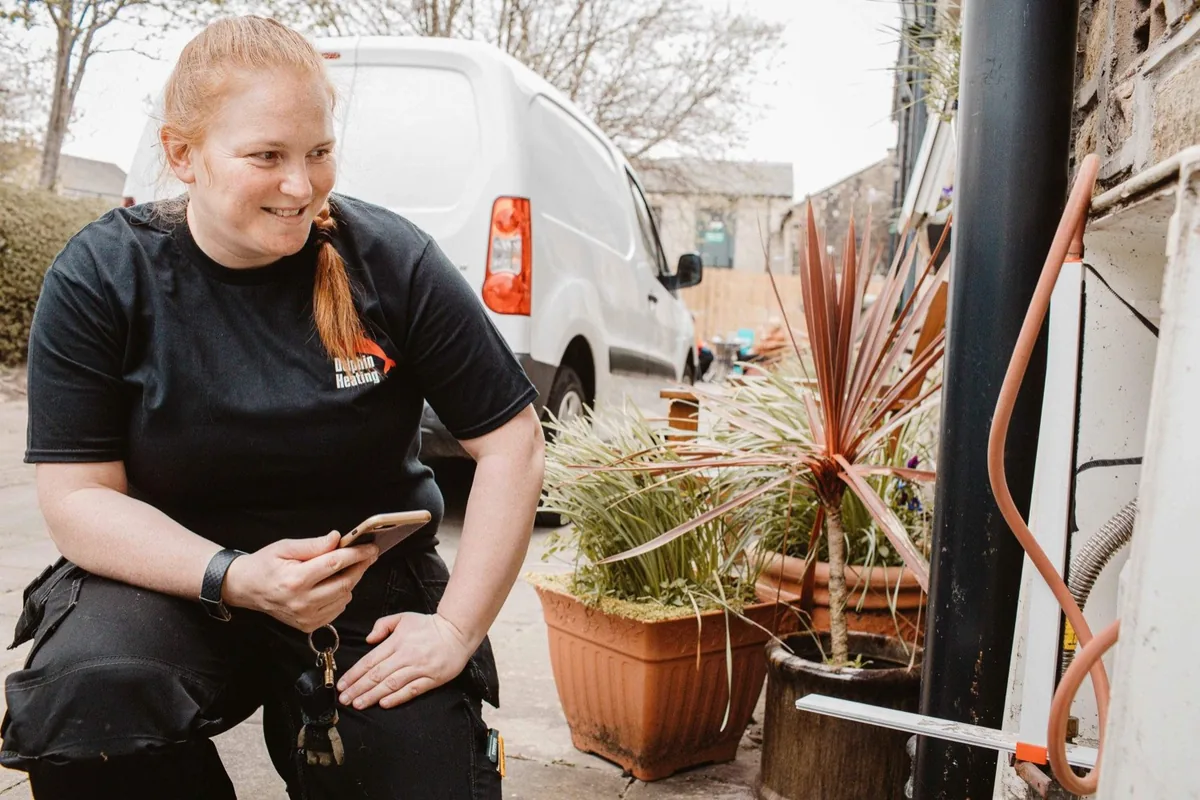
It is the same evidence the AI answers read. Dolphin Heating gets named when someone asks for a female gas engineer in Huddersfield because everything Halizona built for the business says the same plain thing about who Fay is and what she does.
Why does each type of job need its own page?
Because customers search for the job, and Google ranks pages. A site that says “all electrical work undertaken” on one page has nothing to show somebody searching for EV charger installation in Bingley, and Google has nothing to rank. A page for each job type, describing what it involves, roughly what it costs, where you have done it and what the customer should expect on the day, is the single biggest change most trade websites can make.
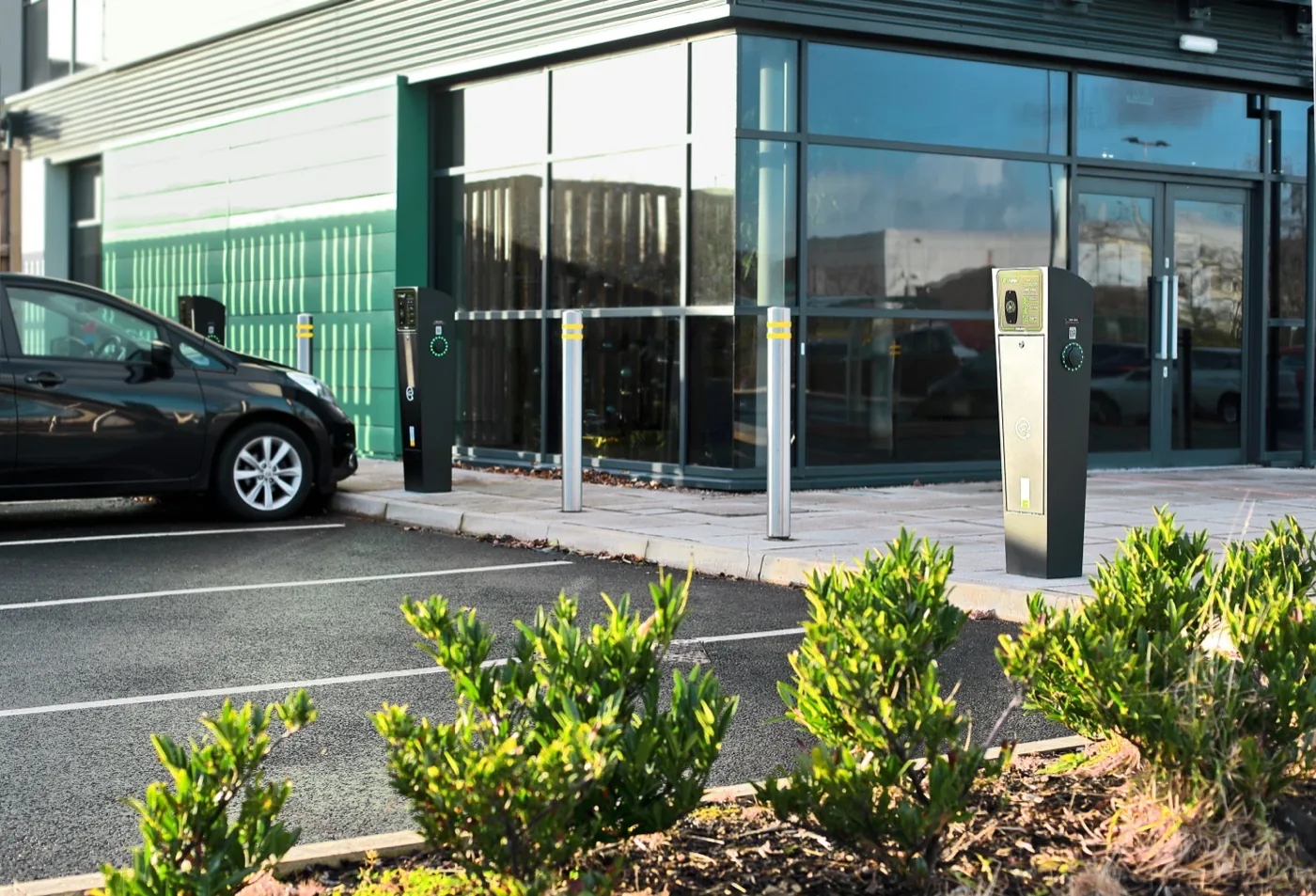
RB Electrical in Halifax is the proof on this page: every specific service has its own page, EV charging included, and the site has produced around two organic leads a week for five years on the back of that structure.
Do real photographs really make a difference?
Yes, on the profile, on the website and in the reviews people leave, and a phone is good enough. A photograph of the actual consumer unit you fitted in a house in Riddlesden, or the actual van outside the actual job, tells a customer and Google something a stock picture cannot. Take one at the end of every job and put it somewhere: the profile, the relevant service page, a social post. Over a year that builds a record of work nobody can fake.
What are the website basics a trade business cannot skip?
A site that loads quickly on a phone, a phone number that can be tapped, the areas you cover written as ordinary sentences, and the business name, address and number matching what the Google profile says. Add a short form for people who prefer to write, and make sure the site is secure. Directory listings such as Checkatrade are useful, and they are no substitute for your own site, because you do not control them and neither does your ranking.
None of this is expensive. It is the difference between a site that supports the profile and the reviews, and one that quietly undoes them.